

India’s MICE sector is brimming with potential but to compete globally, the country needs to turn intent into structured policy and implementation, says Chander Mansharamani, Vice Chairman, ICPB.
By Janice Alyosius
India’s MICE industry is gaining momentum, but the lack of incentives, reliable data, and a unified marketing strategy continue to hold it back. Chander Mansharamani, Vice Chairman, India Convention Promotion Bureau (ICPB), said that despite strong infrastructure and government initiatives, India needs a dedicated marketing body and incentive framework to compete with global destinations that offer financial support and bidding budgets to attract international events. At present, many competing nations such as Singapore, Thailand, and South Korea offer incentives, subsidies, and dedicated marketing budgets to draw large-scale international events. India, however, lacks these financial levers. “The key challenge is the absence of a central marketing agency to position India as a MICE destination. We need to study how other countries operate, allocate bidding budgets, and introduce welcome incentives, even small grants based on business volume can make India more competitive,” Mansharamani said.
The Ministry of Tourism has taken encouraging steps in recent months, launching a Digital MICE Catalogue covering 60 cities and urging states to establish MICE bureaus. ICPB is now building on this effort with a comprehensive MICE Planner that will expand coverage to 150 cities, detailing venues, connectivity, and pre- and post-tour opportunities. “It is a practical step forward that will help organisers identify venues and plan more efficiently,” Mansharamani added.
However, ICPB cautions that the real challenge is perception. “States need to recognise that MICE is not just an industry; it is an economic activity with far-reaching impact on jobs, trade, and knowledge exchange,” Mansharamani said. A key missing piece is the lack of credible data on the segment’s size and economic contribution, which has made it difficult to prioritise MICE in tourism policy or budgets.
India’s academic strength remains a significant but underleveraged asset. With over 350 medical colleges, 400 agricultural universities, IITs, and IIMs, the country already has built-in support systems that can host global technical and academic conferences.
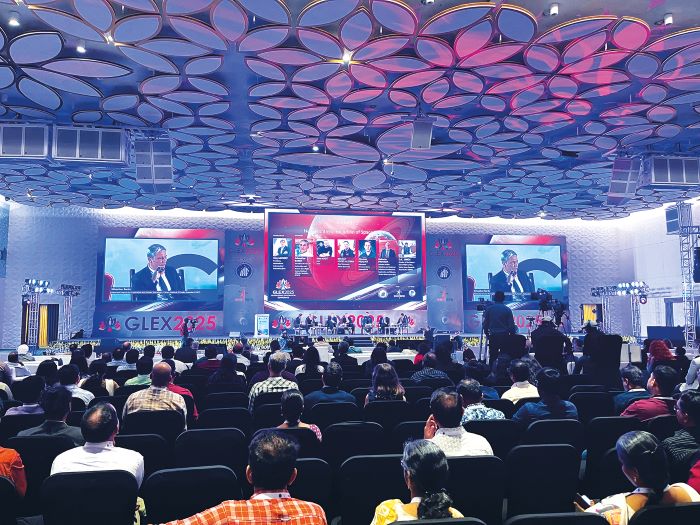
For 2026, ICPB has mapped an ambitious roadmap including roadshows in India and major international cities, the annual Conventions India Conclave (which hosts over 100 international buyers), and a new MICE Summit to spotlight states with major convention facilities.
To sustain momentum, ICPB recommends dedicating 20–25 per cent of the national tourism media budget to MICE, crafting a year-round marketing calendar, and ensuring India’s presence at global events like IMEX and Incentives, Business Travel, and Meetings (IBTM).
“We are optimistic about the future. With world-class venues such as Yashobhoomi and Bharat Mandapam, India already has the hardware. What is missing is the marketing engine and policy-level incentives to make the country a true global MICE hub,” Mansharamani said. MT